
Best Part-Time Online Coding Bootcamps (2026): Schedule, Workload, and Outcomes
Updated on January 17, 202613 minutes read
Switching into tech is exciting, but it's rarely simple when you already have a job, bills, and a busy week. You want a program that moves you forward, without forcing you to quit everything to study full-time.
This guide is for adults comparing part-time online coding bootcamps in 2026. We'll unpack what "part-time" really looks like, how to judge weekly workload, and how to evaluate outcomes you can actually use in job applications.
By the end, you'll know exactly what questions to ask, what red flags to avoid, and how to choose a bootcamp schedule you can realistically finish strong. You'll also get a practical checklist to compare programs side by side.
What "part-time online bootcamp" really means in 2026
A part-time bootcamp is not just "learning to code online." It's a structured program with deadlines, instructor guidance, and project work that's designed to fit around adult life.
Most programs run on a cohort timeline, meaning you start with a group and progress together. That structure matters because it creates accountability and momentum when motivation dips. In 2026, the best part-time bootcamps also focus heavily on applied skills. Employers want proof you can build, troubleshoot, collaborate, and communicate, not just watch lessons.
Part-time bootcamp vs. self-paced course
Self-paced courses can be great for exploring a topic or testing your interest. They're flexible, affordable, and easy to start today. But many adults struggle to finish self-paced learning without a system. A part-time Bootcamp adds structure, feedback, and deadlines that keep you moving when life gets busy.
If your goal is a career shift, the difference is often the portfolio. Bootcamps usually push you to build real projects you can show, explain, and defend in interviews. If you want to compare formats, you can also explore Code Labs Academy's self-paced courses alongside live, cohort-based options.
Who benefits most from a part-time format?
Part-time programs are ideal if you need income stability while you learn. They also work well for parents, caregivers, and anyone who can't study eight hours a day. They're also a strong option for professionals upskilling for a promotion. If you already work in marketing, finance, operations, or healthcare, tech skills can expand your role fast.
The key is consistency. Part-time bootcamps reward steady weekly effort more than occasional weekend marathons.
"Flexible schedule" can mean three different things
Bootcamps love the word "flexible," but it doesn't always mean what you hope. In practice, flexibility shows up in very specific ways. First, some programs have fixed live classes and flexible self-study. You must attend sessions at set times, but you choose when to complete assignments.
Second, some programs offer multiple live time slots. You might pick between an evening group and a weekend group, or choose a time zone-friendly option. Third, some programs are mostly asynchronous with occasional live support. That can work well, but it requires more self-discipline and planning.

Synchronous vs. asynchronous: what changes in your week?
Synchronous learning means live sessions with instructors and classmates. You get real-time Q&A, guided practice, and a strong sense of community. Asynchronous learning gives you the freedom to learn anytime. But without firm deadlines and feedback, it's easy to pause "for a week" and never restart.
Many strong bootcamps blend both. You get live structure for momentum and recordings for flexibility when life happens.
Common part-time bootcamp schedules and who they're best for
Before you choose a program, picture your real calendar. Your best-fit schedule is the one you can repeat for months, not the one that sounds ambitious. Below are the most common schedule patterns in part-time online bootcamps. Use them as templates to compare what you see on program pages and bootcamp overviews like All Courses & Bootcamps.

Evening-focused schedule
This format usually runs two or three evenings per week, often after standard work hours. It's popular because it protects weekends for rest, family, or errands.
It works best if your weeknights are predictable and you can consistently log on. It becomes hard if your job includes late meetings, shift work, or frequent travel. A realistic weekly commitment is often 10-18 hours total. Live classes may be 4-8 hours, with the rest spent practicing and building.
Weekend-intensive schedule
This format usually concentrates live time on Saturday and/or Sunday. It's often paired with light weekday practice to keep concepts fresh.
It works well for parents and caregivers who need weekdays open. It can also suit people with weekday shift work who have consistent weekends. The challenge is fatigue. If weekends are already your recovery time, adding study can feel heavy without strong boundaries.
Split schedule: evenings + weekend
This format might include one or two evenings plus a longer weekend session. It's designed to keep momentum while spreading the time load.
It can be ideal for faster progress, especially when projects get complex. You get more touchpoints with instructors and more structure across the week. It can also feel intense if you don't protect downtime. If you choose this option, plan rest time the same way you plan study time.
A fast "schedule fit" test
Ask yourself if you can protect at least three consistent study blocks weekly. If you can't, a program with heavier life requirements may become stressful fast. Also, check time zones carefully. A "6 pm class" might be 6 pm in another region, which can quietly break your plan.
Finally, ask what happens if you miss a session. Recordings, office hours, and a catch-up plan can save your progress during busy weeks.
Workload: How many hours per week is "part-time," really?
Workload isn't just hours on paper. It's the mental effort of learning new concepts, debugging, and building projects from scratch. A bootcamp can claim "12 hours/week" and still feel like 20. That's common when project deadlines arrive or when you hit a topic that takes extra practice.
Most adults succeed when they plan for a range, not a single number. A realistic expectation is often 10-20 hours weekly, with occasional spikes.
What you'll actually do each week
In a well-run program, the week usually includes learning content, live workshops, and structured practice. You'll also spend meaningful time building and refining projects.
You may do quizzes or short assessments, but the real learning happens in hands-on tasks. That's where you build confidence and learn to think like a practitioner. Good programs also include feedback loops. Code reviews, design critiques, and mentor comments are where your skills level up quickly.
The "hidden workload" most people don't plan for
Context switching is a real cost. If you work all day, starting deep learning at night can take 20-30 minutes just to get focused. There's also life admin: cooking, commuting, kids' schedules, and basic recovery. If your plan ignores When these conditions are met, burnout becomes likely.
A sustainable bootcamp experience is built around routines. The best programs help you prioritize tasks so you don't waste energy guessing what matters most.
Workload signs that suggest quality
Look for a clear weekly rhythm. Strong programs repeat a pattern like learn -> practice -> build -> review, so your brain knows what to expect. Check how often you receive feedback. If feedback is rare, you can spend weeks practicing mistakes without realizing it.
Ask how instructors support project weeks. Clear milestones and structured check-ins make a big difference when complexity increases.
Red flags that often lead to burnout
Be cautious if "part-time" includes mandatory daily attendance. That schedule often clashes with real adult responsibilities. Also, be careful with heavy group work that has no scheduling support. Coordinating across time zones and jobs can become a second job itself.
Finally, avoid vague expectations. If a program can't explain the weekly workload with examples, you may be walking into chaos.
Outcomes: what you should expect and how to verify it

In 2026, outcomes are more than "certificate completed." Employers want proof that you can produce work and learn on the job. When a bootcamp talks about outcomes, you want to see three categories. Skills outcomes show what you can do, portfolio outcomes show what you can prove, and career outcomes show how you'll get hired.
If one of these is missing, your job search may feel harder than it needs to be. A strong program supports the full journey from learning to interviewing.
Skills outcomes should be specific
A credible bootcamp can describe skills in practical terms. You should see statements like "build and deploy a web app" or "analyze data with SQL," not only "learn modern tools."
For web development, strong outcomes often include building responsive interfaces, working with APIs, and managing data. You should also learn debugging habits and basic security awareness. For data-focused tracks, outcomes should include cleaning data, writing queries, and communicating insights clearly. For many roles, a clear explanation matters as much as technical steps.
Portfolio outcomes should show your thinking, not just your output
Your portfolio should not look like a list of tutorial copies. Recruiters and hiring managers want to see that you made decisions and solved problems. A strong portfolio usually includes 2-4 polished projects. It's better to have fewer projects with real depth than many shallow ones.
Look for a capstone project that feels like a real product. It should include a clear goal, defined users, and a coherent explanation of why you built it the way you did.
Career outcomes should be defined clearly
Some bootcamps share job placement stats, but the details matter. Ask what counts as "employed," what time window is used, and who is included in the numbers. Even if a program doesn't publish stats, it can still deliver strong outcomes. What matters is whether you get structured career support and a repeatable job-search strategy.
You should also ask when career prep begins. If it starts only in the final week, you may feel rushed when it's time to apply. If a program offers structured career support, it's worth reviewing what's included on Career Services.
How to compare bootcamps quickly: a practical checklist
When you're comparing programs, don't rely on vibes. Use a checklist so you can make a decision based on real differences. Start with schedule clarity. Confirm live session days, times, and whether recordings are available for catch-up weeks.
Next, confirm support. Ask how often you can talk to instructors, how fast feedback arrives, and whether mentoring is included. Finally, compare outcomes. Ask what you will build, how your portfolio is reviewed, and what career support is included.
Questions to ask admissions before you enroll
Ask for a sample weekly plan. A strong program can show you what a typical week looks like from start to finish. Ask what students struggle with most. Honest answers reveal where support systems are strongest.
Ask what happens if you fall behind. Programs with real adult learners usually have a clear catch-up path. If you want to talk through your goals and timeline with a human, you can Schedule a Call and ask these questions directly.
Choosing the right bootcamp based on your life situation
The "best" bootcamp depends on your constraints. Your goal is to choose a program you can complete with energy left to apply for jobs. If you pick a schedule that interferes with your life, even a great curriculum becomes hard. If you pick a schedule that fits, you'll build momentum quickly. Below are common scenarios and what typically works best. Use these as decision shortcuts.

If you're working full-time with unpredictable weeks
Prioritize programs with recordings and flexible catch-up support. That way, a busy week doesn't turn into a disaster. Choose a bootcamp with clear weekly priorities. When time is limited, you need to know exactly what matters most.
Also, look for fast feedback loops. When you're tired, the last thing you need is to be stuck on a bug for days alone.
If you're a parent or caregiver
Predictability matters more than intensity. A schedule you can repeat weekly will outperform a schedule that "Sometimes works."
Weekend-focused formats often help, but only if you protect recovery time. A short weekday review session can keep concepts from fading. Supportive policies matter too. Recordings, office hours, and understanding instructors can make the difference between finishing and dropping out.
If you want to switch careers as soon as possible
Look for a slightly higher weekly commitment and more project depth. Faster progress usually comes from more building, not more watching. Choose a program with structured career prep throughout the course. You want to build your CV, LinkedIn, and portfolio as you learn.
Also, ask about mock interviews and interview practice. Confidence grows when you rehearse real hiring conversations.
If you already have some experience
You may benefit from programs that emphasize critique and advanced projects. Feedback helps you break out of beginner patterns. Look for opportunities to specialize. Even within web development, you might focus on front-end, back-end, or full-stack strengths.
Also, choose a program that helps you position your background. Your prior experience can be a hiring advantage when framed correctly.
Cost and ROI: how to think about value without guesswork
Part-time bootcamp pricing varies by provider and region. You may see prices in the low thousands up to higher ranges, Depending on the length and services.
Instead of focusing only on cost, focus on what you're buying. Mentoring, feedback, career coaching, and portfolio support often create the biggest value. It's also worth checking payment plans and scholarship options on pages like Financing Options.
A practical ROI lens for adults
Ask whether the program reduces "learning dead ends." Guidance and feedback can save months of trial-and-error.
Ask whether you'll finish with a portfolio that matches the roles you want. A generic portfolio can slow your job search.
Ask whether you'll get career support that turns projects into interviews. Skills alone don't always translate into offers without a strategy.
Where Code Labs Academy fits for part-time online learners
If you want structure without giving up your job, Code Labs Academy is built to support adult learners who need flexibility and real outcomes.
Our live online bootcamps focus on job-ready, practical skills. You learn by doing, with projects designed to build confidence and professional habits.
You also graduate with portfolio-ready work you can present in interviews. That includes guidance on how to document and explain your decisions clearly.
Code Labs Academy supports learners with career coaching and mentoring through Career Services. If you're comparing options, you can Explore our bootcamps, talk to an advisor, or visit a program page, such as: Web Development, Data Science & AI, Cyber Security, or UX/UI Design.
How to succeed in a part-time bootcamp without burning out
Success in a part-time bootcamp is less about talent and more about rhythm. A steady routine beats occasional bursts of effort. Your goal is to protect consistent time, reduce friction, and stay close to the work. When you do that, progress becomes predictable. The tips below are simple, but they're powerful when repeated week after week.
Build a weekly routine you can repeat
Choose three "deep work" sessions per week, ideally 60-120 minutes each. Put them on your calendar like appointments. Add one lighter session for review, admin, or catch-up. This buffer helps when something takes longer than expected. If you have live classes, build your study blocks around them. Consistency becomes easier when your week has a clear anchor.
Plan for project weeks early
Projects often take longer than you expect, especially when debugging appears. A small time buffer prevents late-night panic. If your bootcamp estimates 15 hours per week, plan for 17-18 during project weeks. That extra margin keeps your experience sustainable. Also, break projects into milestones. Small wins reduce stress and help you stay on track.
Use your outcomes as motivation
Motivation comes and goes, especially after a long workday. Outcomes help you stay focused when energy is low. Pick one target role, one portfolio goal, and one skill goal for the month. Keep them visible near your study space. When you feel stuck, return to the next small step. Consistent movement is the fastest way forward.
Conclusion: pick a bootcamp you can finish and use
The best part-time online coding bootcamps in 2026 are the ones that fit your real schedule, set realistic workload expectations, and deliver outcomes that translate into interviews.
As you compare programs, focus on live session timing, weekly time demand, feedback quality, and portfolio depth. Those factors predict your experience more than flashy marketing promises.
When you're ready to take the next step, explore Code Labs Academy's Online bootcamps and see how a part-time format can help you build job-ready skills, create a portfolio, and get career support that moves you toward your next role.
If you want a quick human conversation before committing, you can Schedule a Call. When you're ready to begin, you can Apply Now or reach the team via Contact Us.
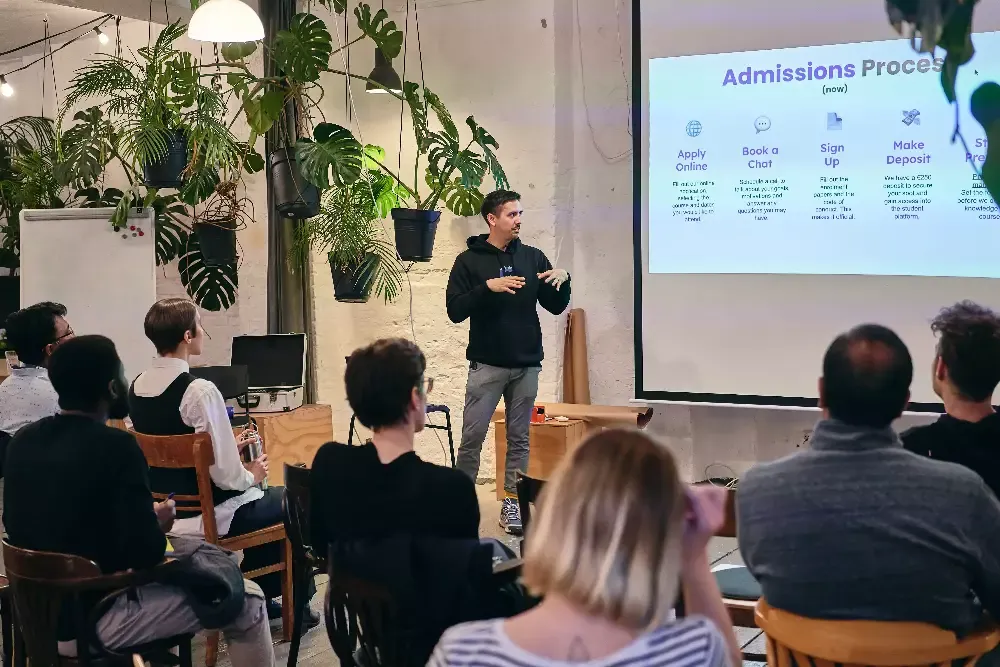
Learn technical skills online with Code Labs Academy
Join our supportive community, unlock your potential, and embark on a rewarding career path.
Apply Now